

The Unsolved Puzzles Roundtable Series:
Decoding Complex Clinical Problems with Informatics
The Unsolved Puzzles Roundtable Series: Decoding Complex Clinical Problems with Informatics is a HIKM ACM initiative inviting clinicians, researchers, health practitioners, and lived-experience advocates to bring complex, unresolved health problems to the health informatics community.
Each session frames a real clinical or public-health challenge where fragmented data, delayed diagnosis, disconnected services, or hidden patterns prevent timely care. Rather than presenting finished solutions, the series creates a collaborative forum where informaticians can listen, question, map the problem, and identify how data, systems thinking, interoperability, decision support, and knowledge management may help reveal the missing pieces.
Roundtable coming soon:
The Unsolved Puzzle: Childhood Dementia Needs a System Connecting Parents, Clinicians, and Data for Earlier Diagnosis

Roundtable event
Date TBC
(Hobart AEST)
Childhood dementia is a rare, life-limiting group of mostly genetic neurodegenerative conditions affecting an estimated 700,000 children and young people worldwide.
Symptoms begin, on average, at around 2.5 years of age, but diagnosis often occurs later, around age four, after families have already entered a frightening race against time. More than 100 genetic disorders can cause childhood dementia; there are currently no cures, and half of affected children die by age 10. Rates of death in Australia are similar to childhood cancer, yet childhood dementia remains far less recognised and under-resourced.
The only consistent pattern is regression: children begin losing skills they had already learned — speech, movement, memory, learning, behaviour, vision, play, social connection, or independence. These changes may first be noticed by parents, early-childhood educators, teachers, GPs, psychologists, nurses, physiotherapists, speech therapists, occupational therapists, paediatricians, geneticists, or neurologists. Yet each professional may see only one fragment of the picture, leading to misdiagnosis, delayed referral, and years of uncertainty.
The University of Tasmania’s Wicking Dementia Centre has responded with its free Understanding Childhood Dementia MOOC, designed for families, educators, health professionals, policy makers, support workers, and anyone seeking to understand childhood dementia, its symptoms, underlying conditions, diagnosis, genetics, lived experience, and care needs.
Meet our Speakers
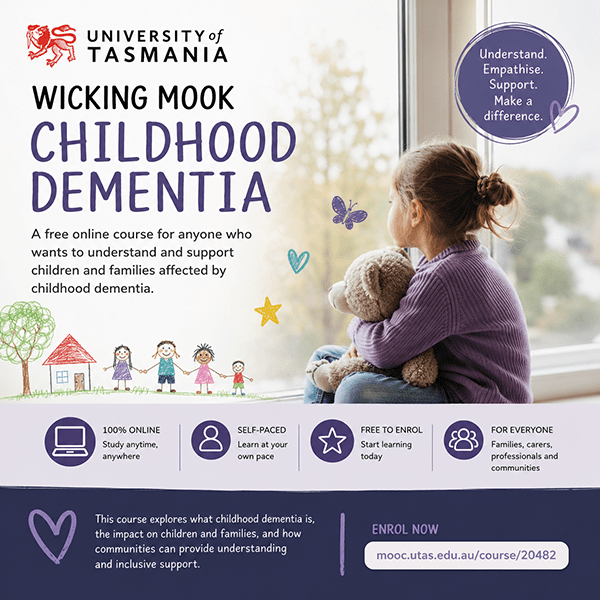
University of Tasmania’s WICKING MOOK- Education and Connecting the Dots
30 Mins: Scientist, Dr Emily Handley
University of Tasmania, WICKING
The Childhood Dementia Inititive
30 Mins: xxx
xxx
GP
30 Mins: xxx
xxx
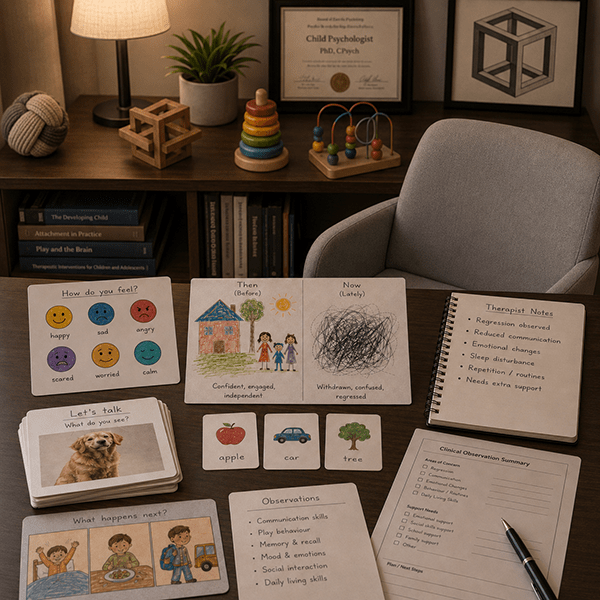
Psychologist
30 mins: xxx
xxx
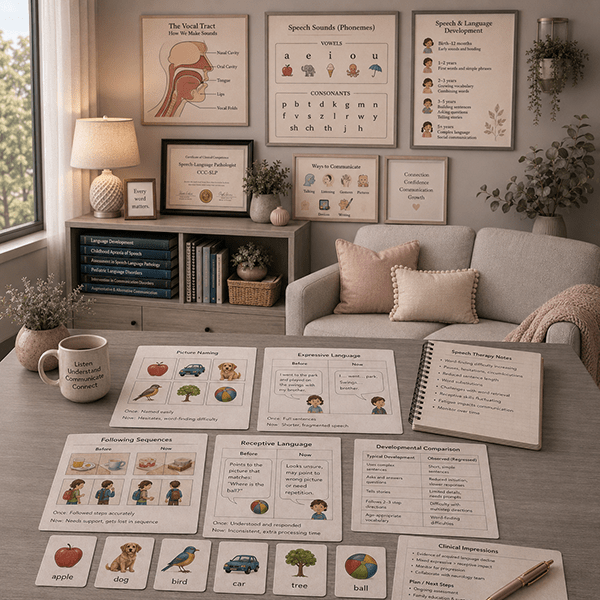
Speech Therapist
30 mins: xxx
xxx
Neurologist
30 mins: xxx
xxx
Who, Why work with us?

Bring the Whole Picture to the Table
Some health problems remain unsolved because no single discipline, service, dataset or family story contains the whole picture. HIKM invites clinicians, allied health practitioners, researchers, advocates, families and informatics experts to examine complex problems together.

Find the Pattern the System Keeps Missing
When symptoms, observations and records are scattered across settings, the pattern can remain invisible for years. The Unsolved Puzzle Series asks whether health informatics can help connect fragmented evidence into earlier recognition, better pathways and clearer decisions.

Turn Complexity into a Researchable Question
The hardest clinical and public-health problems often begin as confusion: repeated referrals, delayed diagnosis, inconsistent data, unmet needs and no clear pathway forward. HIKM roundtables help translate lived and clinical complexity into problems informatics researchers can investigate.
Contact Us:
Enquiries@hikm.acm.org