
HIKM ACM Chapter Unsolved Puzzle Round Table Series- 23 June 2026, 3pm-5pm (Brisbane, AEST)
From Childhood Disabilities to Aged Care Dementia:
How Can Art Therapy, Artful Environments,
Health Informatics
and AI Help?
Unfortunately,
Dr Emily Handley, Wicking Dementia Research & Education Centre, has had to cancel her keynote due unexpected health reasons. If well, she may join us at the end.
However, the HIKM ACM Chapter is delighted to announce that industrial artist extraordinaire Sharron T will be headlining the Round-Table instead.
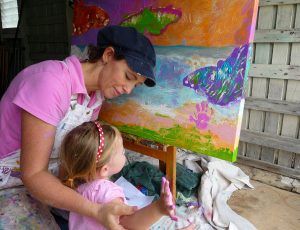
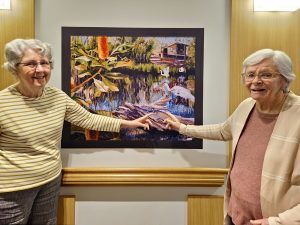
Sharron is a pioneer in applying art for therapeutic purposes. For over two decades she has created, designed (in Brisbane and London), beautified, researched, etc – including over 15 years of giving children’s/adult art workshops and creating art for aged care and dementia care across Australia.
Sharron has become a sought-after thought leader and speaker, publishing and keynoting internationally on dementia and Alzheimer’s. She is also the inventor of Art-based Technologies (ABTs).
Psychotherapist, Shazzy Tharnby on What Matters Matters: Capturing Human Outcomes in Disability, Mental Health and Dementia Care
Shazzy Tharby is a Counselling Psychotherapist, Credentialed Mental Health Nurse, disability advocate, researcher and Founder of Positively Living. Drawing on both professional and lived experience, she works across neurodiversity, disability, mental health and systems advocacy. Shazzy serves on the Western Australian NDIS Advisory Council and is passionate about ensuring that health, disability and aged care systems measure the outcomes that matter most to people, including autonomy, participation, communication, belonging and quality of life.
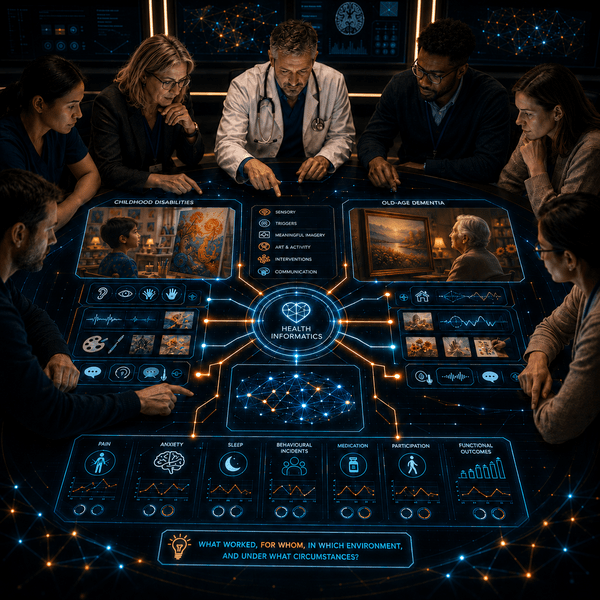
Shazzy will speak on how health and disability systems are excellent at recording diagnoses, appointments and incidents, but often struggle to capture the outcomes that matter most to people. Drawing on clinical practice, lived experience and systems advocacy, this presentation explores the gap between what services measure and what people value. It will highlight the importance of capturing communication preferences, sensory needs, participation, autonomy, quality of life and lived experience outcomes, and consider how health informatics, knowledge management and AI may help create more person-centred systems across disability, mental health and aged care.
Associate Professor Andrew Stranieri on Health Informatics and AI in Environmental Design
Associate Professor Andrew Stranieri is a digital health researcher in the Centre for Informatics and Applied Optimisation at Federation University Australia with over 150 publications in health data analytics, remote patient monitoring, blockchain and decision support. Andrew will also open the Round Table
23 June 2026, 3pm-5pm (Brisbane, AEST)

Childhood Dementia needs a system connecting parents, clinicians, and data for earlier diagnosis. The average life expectancy is 9 years, yet the current time to a diagnosis is up to six years!
The on-line Round-table will bring the childhood dementia challenge to the health informatics community and explore how digital health, data systems, artificial intelligence, clinical pathways, parent-reported information, and cross-sector coordination might support earlier diagnosis and better system response to shorten this ‘diagnostic odyssey’ for parents and carers.
Dr Emily Handley, Wicking Research and Education Centre, University of Tasmania
Childhood dementia is a rare, life-limiting group of mostly genetic neurodegenerative conditions affecting an estimated 700,000 children and young people worldwide.
Symptoms begin, on average, at around 2.5 years of age, but diagnosis often occurs later, around age four, after families have already entered a frightening race against time. More than 100 genetic disorders can cause childhood dementia; there are currently no cures, and half of affected children die by age 10. Rates of death in Australia are similar to childhood cancer, yet childhood dementia remains far less recognised and under-resourced.
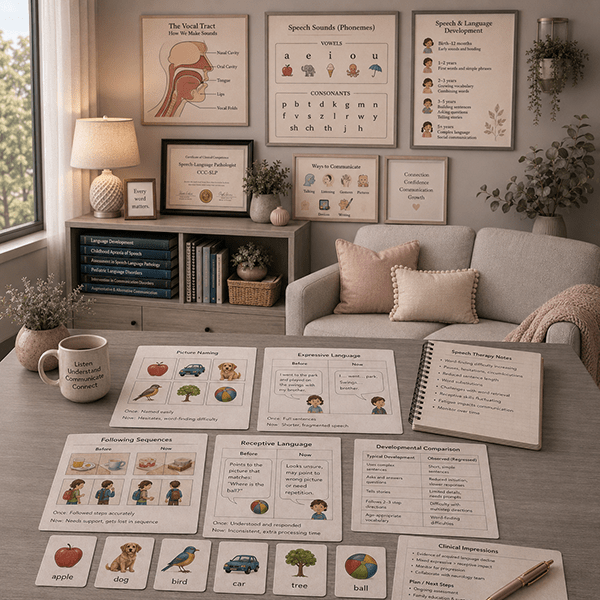
The only consistent pattern is regression: children begin losing skills they had already learned — speech, movement, memory, learning, behaviour, vision, play, social connection, or independence. These changes may first be noticed by parents, early-childhood educators, teachers, GPs, psychologists, nurses, physiotherapists, speech therapists, occupational therapists, paediatricians, geneticists, or neurologists. Yet each professional may see only one fragment of the picture, leading to misdiagnosis, delayed referral, and years of uncertainty.
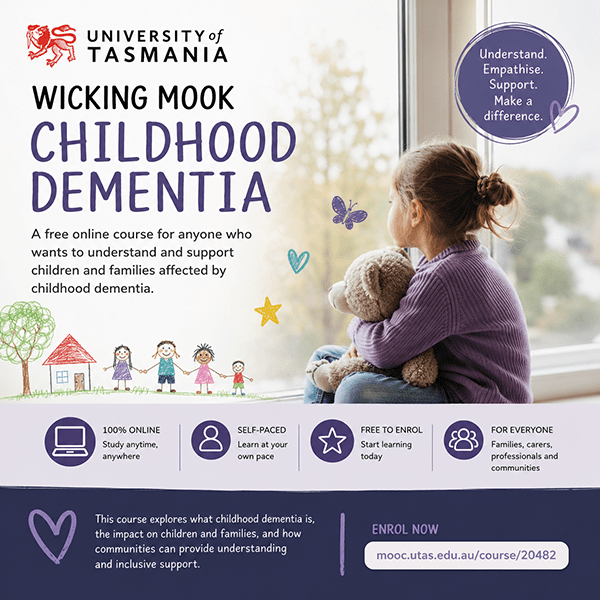
The University of Tasmania’s Wicking Dementia Research and Education Centre has responded with its Understanding Childhood Dementia course, designed for families, educators, health professionals, policy makers, support workers, and anyone seeking to understand childhood dementia, its symptoms, underlying conditions, diagnosis, genetics, lived experience, and care needs.
Do you have an Unsolved Puzzle?

About The Unsolved Puzzles Round Table Series
Decoding Complex Clinical Problems with Informatics is a HIKM ACM initiative inviting clinicians, researchers, health practitioners, and lived-experience advocates to bring complex, unresolved health problems to the health informatics community.
Each session frames a real clinical or public-health challenge where fragmented data, delayed diagnosis, disconnected services, or hidden patterns prevent timely care. Rather than presenting finished solutions, the series creates a collaborative forum where informaticians can listen, question, map the problem, and identify how data, systems thinking, interoperability, decision support, and knowledge management may help reveal the missing pieces.
Why work with us?

Bring the Whole Picture to the Table
Some health problems remain unsolved because no single discipline, service, dataset or family story contains the whole picture. HIKM invites clinicians, allied health practitioners, researchers, advocates, families and informatics experts to examine complex problems together.
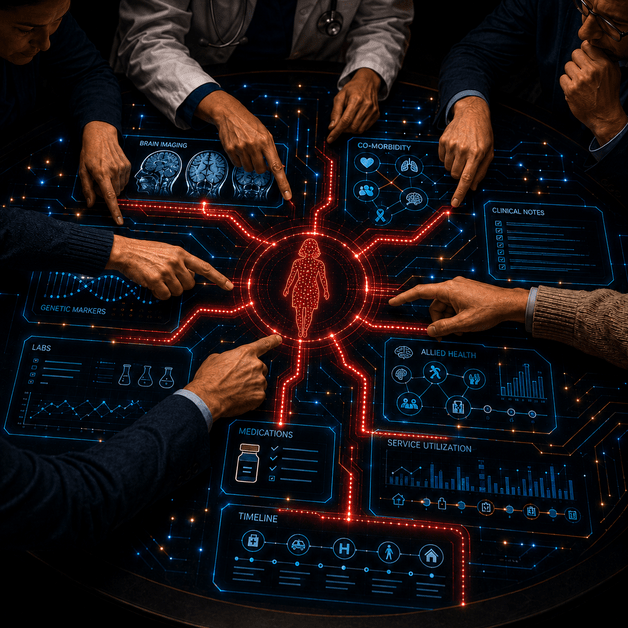
Find the Pattern the System Keeps Missing
When symptoms, observations and records are scattered across settings, the pattern can remain invisible for years. The Unsolved Puzzle Series asks whether health informatics can help connect fragmented evidence into earlier recognition, better pathways and clearer decisions.
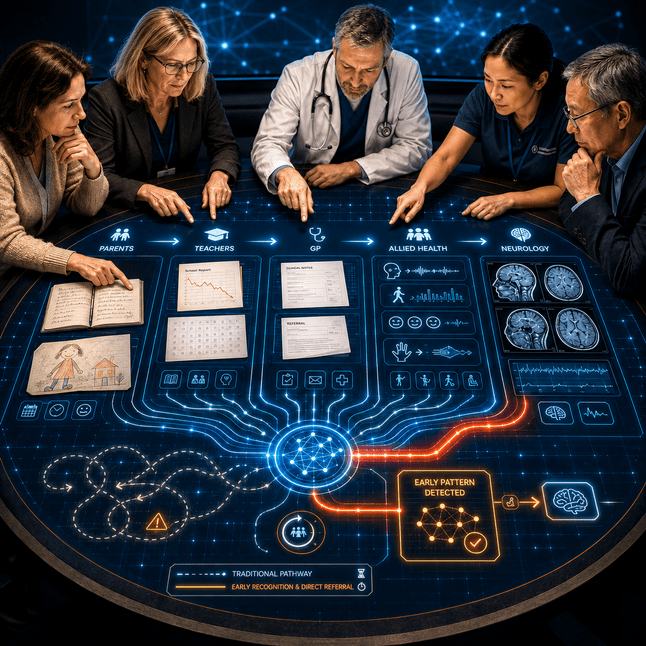
Turn Complexity into a Researchable Question
The hardest clinical and public-health problems often begin as confusion: repeated referrals, delayed diagnosis, inconsistent data, unmet needs and no clear pathway forward. HIKM round tables help translate lived and clinical complexity into problems informatics researchers can investigate.
Contact Us:
Enquiries@hikm.acm.org